When a Property Needs a Concrete Retaining or Poured Wall
When a property needs a concrete retaining or poured wall, local contractors can provide expert installation to stabilize soil, prevent erosion, and enhance landscape durability.
Understanding when a property needs a concrete retaining or poured wall is essential for maintaining stability and preventing future issues. These structures are often necessary when land slopes or elevation changes threaten to cause soil erosion, foundation problems, or landscape instability. Property owners in the area may explore this topic to ensure their land remains secure, especially if they are planning renovations, landscaping projects, or dealing with natural shifts in the terrain. By learning more about the signs that indicate the need for these walls, property owners can make informed decisions and connect with local contractors who specialize in expert concrete retaining wall or poured wall installation services.
Many property owners turn to concrete retaining or poured walls to address practical concerns like managing soil pressure, creating level outdoor spaces, or preventing water runoff from causing damage. These solutions are commonly recommended for properties with uneven terrain, hillside lots, or areas prone to erosion. Local service providers offer the experience and skills necessary to install these structures efficiently and effectively, helping property owners protect their investments and improve their land’s usability. Continuing to explore this topic can provide valuable insights into when and why a concrete retaining or poured wall might be the right choice for a specific property.
Get Quotes for Concrete Retaining Wall Or Poured Wall Installation
- Concrete Retaining Wall - needed when a property requires support to prevent soil erosion or manage uneven terrain, with local contractors specializing in durable, structurally sound installations.
- Poured Wall - suitable for creating strong foundation walls or basement supports when a property needs a seamless, reinforced concrete solution provided by experienced service providers.
- Concrete Retaining Wall - often necessary when hillside or sloped landscapes threaten to shift or collapse, with local pros designing and building walls to stabilize the area effectively.
- Poured Wall - used when a property needs a custom-sized foundation or structural wall, with local contractors ensuring proper reinforcement and integration into existing structures.
- Concrete Retaining Wall - required for landscaping or property boundary purposes, with local service providers offering tailored solutions to meet specific terrain and aesthetic needs.
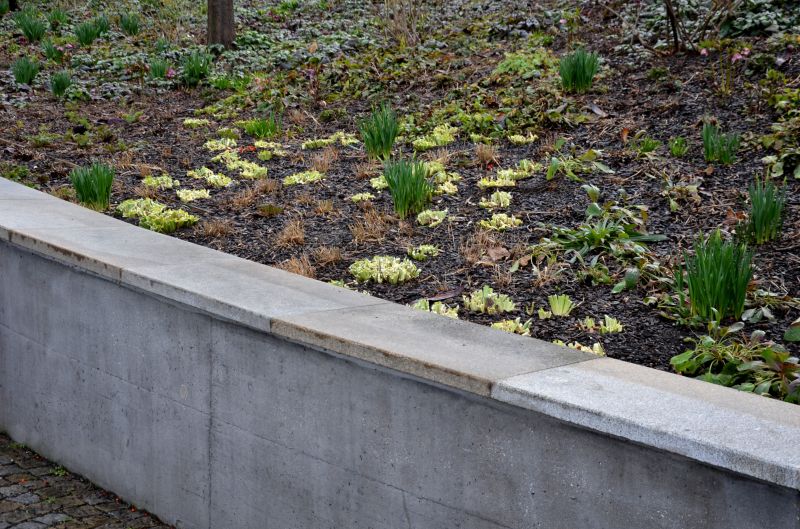
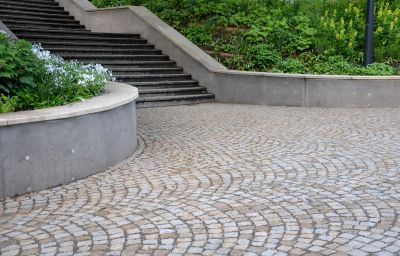
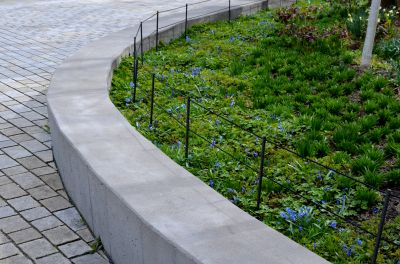
When a property needs a concrete retaining or poured wall, it often relates to managing changes in land elevation or preventing soil erosion. Homeowners and property owners typically search for this topic when they are planning to build or modify landscape features that require supporting earth, such as terraced gardens, patios on sloped land, or basement walls. These walls help create level areas in yards or gardens, making outdoor spaces more functional and visually appealing. They are also essential for stabilizing soil around foundations, especially in areas prone to shifting or settling. Understanding when such walls are necessary can help property owners avoid future issues related to land movement or structural instability.
The need for a concrete retaining or poured wall often arises in situations where the terrain has significant slopes or uneven ground that could cause problems if left unmanaged. Common signs include soil erosion during heavy rains, cracks or movement in existing structures, or the desire to expand a usable outdoor space on a hillside. These walls are also frequently incorporated into renovation or landscaping plans that involve terracing or creating flat areas for patios, driveways, or gardens. In some cases, property owners may be addressing drainage concerns, as retaining walls can help redirect water flow and prevent flooding or water damage near foundations.
Properties that typically come up in discussions about retaining or poured walls include residential homes, especially those on sloped or uneven lots, as well as commercial properties with landscaping challenges. In residential settings, these walls are common around basements, yards, or gardens where soil stability is a concern. On commercial sites, they may be used to support parking lots, loading docks, or outdoor storage areas that require solid, durable retaining structures. Additionally, properties with existing erosion issues or those located in areas with frequent heavy rainfall are more likely to need these types of walls to maintain safety and stability.
Local contractors who specialize in concrete retaining and poured wall installation play a key role in helping property owners determine when such structures are needed and how best to incorporate them into their projects. These service providers assess the land’s topography, soil conditions, and drainage needs to recommend appropriate solutions. They can also handle the construction process, ensuring that the walls are built to withstand the specific stresses of each property. For homeowners considering landscape modifications or dealing with land stability issues, connecting with experienced local pros can provide clarity on whether a concrete retaining or poured wall is the right choice to support their property’s long-term stability and usability.
Foundation Repair Projects - foundation repair requires skills in concrete work and planning similar to installing retaining or poured walls to ensure stability and durability.
Landscape Retaining Wall Installations - landscape projects involving retaining walls share techniques and tools used in poured wall construction for aesthetic and functional purposes.
Basement Waterproofing Systems - waterproofing basements often involve concrete work comparable to poured wall services, requiring expertise in moisture barriers and structural supports.
Driveway and Sidewalk Pouring - driveway and sidewalk projects utilize concrete pouring skills similar to those needed for constructing durable poured walls.
Slope Stabilization Projects - stabilizing slopes with concrete or retaining walls involves planning and skills aligned with property retaining wall installations.
Commercial Concrete Wall Construction - commercial projects involving concrete walls require the same planning, tools, and techniques as residential poured wall services.
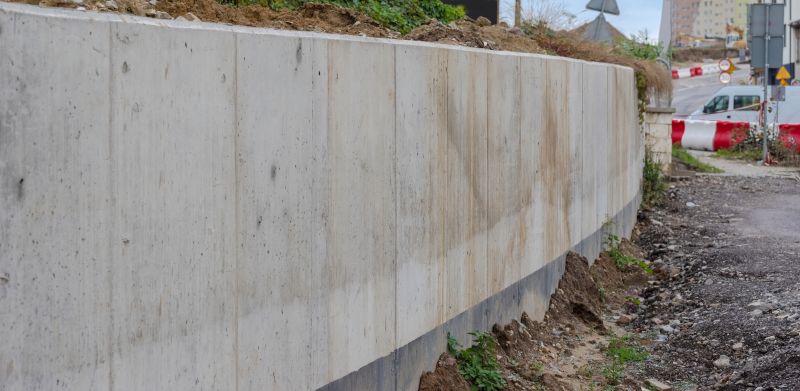
When evaluating contractors for concrete retaining or poured wall installation, experience with similar projects is a key factor to consider. Homeowners should seek out service providers who have a proven track record of handling projects comparable in size and scope to their own. This experience can indicate a contractor’s familiarity with the specific challenges that come with retaining walls, such as soil conditions, drainage requirements, and structural considerations. Reviewing portfolios or asking for references related to past work can provide insight into a contractor’s expertise and the quality of their previous projects, helping homeowners feel more confident in their choice.
Clear, written expectations are essential when comparing local contractors for retaining wall installation. Homeowners should look for service providers who can provide detailed proposals outlining the scope of work, materials to be used, and the estimated process. Having this information in writing helps set mutual understanding and reduces the risk of misunderstandings or surprises during the project. It also allows homeowners to compare different proposals more effectively, ensuring that each contractor’s approach aligns with the project’s needs and expectations.
Good communication and reputable references are vital components when selecting a contractor for this type of work. Service providers who are responsive, transparent, and willing to answer questions demonstrate professionalism and a commitment to customer service. Additionally, seeking references from previous clients can reveal insights into a contractor’s reliability, work ethic, and ability to complete projects on time and within scope. These factors contribute to a smoother installation process and greater peace of mind, making it easier for homeowners to choose a qualified and trustworthy local contractor for their retaining wall needs.
Get a Quote for Concrete Retaining Wall Or Poured Wall Installation
Property owners often search for when a property needs a concrete retaining or poured wall when they are planning practical projects around their homes and businesses. Local pros provide Concrete Retaining Wall or Poured Wall Installation services for everyday jobs and straightforward project options.
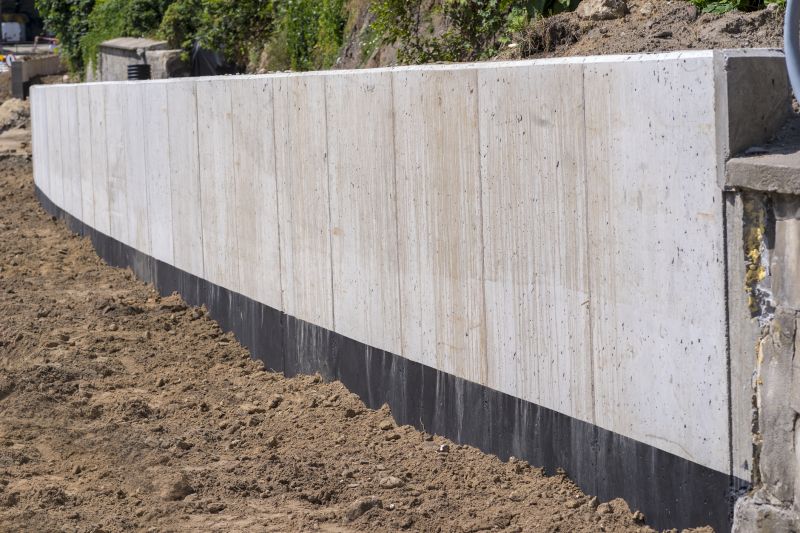
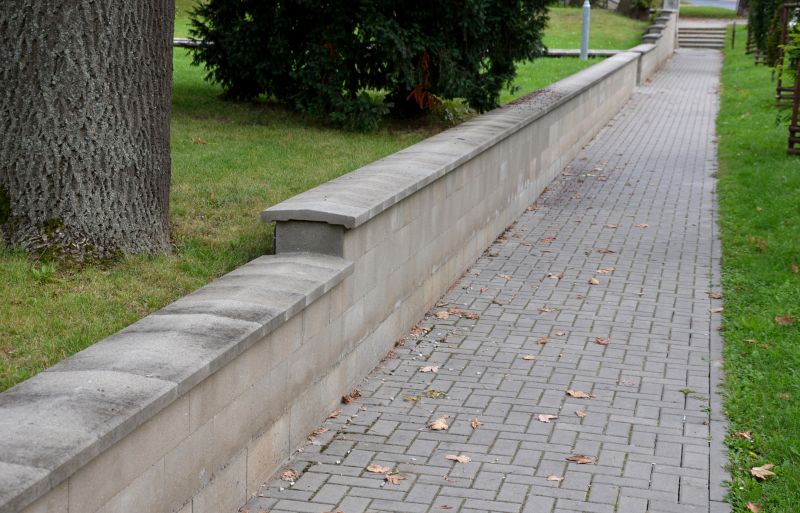
When a property has uneven terrain or significant changes in elevation, a concrete retaining or poured wall can provide essential support and stability. Property owners may notice issues like soil erosion, shifting landscapes, or the need to create level outdoor spaces such as patios or garden beds. In these situations, local contractors experienced in retaining wall installation can assess the site and recommend solutions that help prevent soil movement and protect the property’s foundation, ensuring both safety and functionality.
Additionally, properties with slopes or hillside areas often require durable retaining walls to prevent landslides or soil collapse. Such walls can also serve as attractive landscaping features to define property boundaries or create terraced gardens. When property owners observe signs of soil shifting, cracking, or drainage problems, seeking the expertise of local service providers can help determine if a poured wall or concrete retaining wall is the right choice to address these concerns and improve the overall stability of the property.
Get a Quote for Concrete Retaining Wall Or Poured Wall Installation
When should a property consider installing a concrete retaining or poured wall? A property may need a concrete retaining or poured wall when there is a significant change in elevation that requires support to prevent soil erosion or collapse, or to create level areas for landscaping or structures.
What signs indicate that a property needs a retaining wall? Signs include soil sloping or shifting, water pooling or erosion issues, or existing walls showing cracks or leaning, which suggest the need for a professionally installed retaining wall.
Why would a property require a poured wall instead of other types of walls? Poured walls are often chosen for their durability and ability to be customized to fit specific design or structural needs, especially in areas prone to water exposure or requiring strong support.
In what situations is a concrete retaining wall necessary for property safety? When unstable soil, heavy loads, or water runoff threaten the stability of the land, a concrete retaining wall can help maintain soil integrity and prevent potential hazards.
How do local contractors determine the need for a concrete or poured wall on a property? Contractors assess factors such as soil conditions, slope, drainage, and the property's landscape to decide if a concrete retaining or poured wall is appropriate for stability and functionality.
Assessing soil stability - When a property experiences soil erosion or shifting, local contractors can install a concrete retaining or poured wall to provide necessary support and prevent further movement.
Creating level outdoor spaces - Installing a retaining wall can help build terraces or level areas in sloped yards, making them more functional for gardening or recreational use with the help of local pros.
Managing water runoff issues - A poured wall can act as a barrier to redirect or contain water flow, protecting the property from flooding or erosion during heavy rains, with assistance from nearby contractors.
Supporting foundation stability - When a property’s foundation shows signs of settling or cracking, local service providers can install a concrete wall to reinforce the structure and improve overall stability.
If you are thinking about when a property needs a concrete retaining or poured wall for a property, this guide is meant to help you understand this topic, the typical project types, and how different options might fit your plans.
When you are ready, you can use the quote form on this page to share a few details about your project. From there, local pros can review the basics and follow up with options that match what you have in mind.
Get a Quote for Concrete Retaining Wall Or Poured Wall Installation