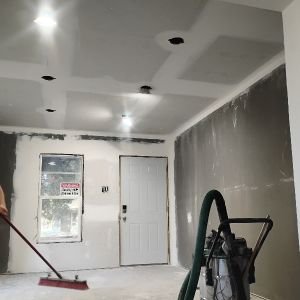
Get Poured Wall Installation
Poured wall installation services help property owners build strong, durable foundation walls for basements, retaining walls, and structural support projects.
Poured wall installation is a practical solution for property owners looking to enhance the stability and durability of their structures. Whether planning a new foundation, basement, retaining wall, or repair project, understanding your options and choosing experienced local contractors can make a significant difference. This service is often sought after for its strength, seamless finish, and long-lasting performance, making it a reliable choice for various construction and renovation needs.
Exploring local contractors for poured wall services allows property owners to compare expertise and capabilities within the community. Proper planning and selecting the right service provider can help ensure the project meets structural requirements and aesthetic preferences. Continue exploring to find trusted local professionals who can assist with your poured wall installation needs.
- Residential Basement Walls - homeowners may need poured wall installation to create a sturdy foundation for finishing or remodeling their basement.
- Commercial Building Foundations - businesses requiring durable and reliable foundation walls for new construction or renovations can connect with local contractors.
- Retaining Walls - property owners seeking to manage soil erosion or create level outdoor spaces might need poured walls for support.
- Garage and Storage Foundations - those building or upgrading garages, sheds, or additional storage spaces often require poured wall services.
- Landscape and Boundary Walls - individuals looking to define property lines or enhance landscape features can find local pros for poured wall installation.

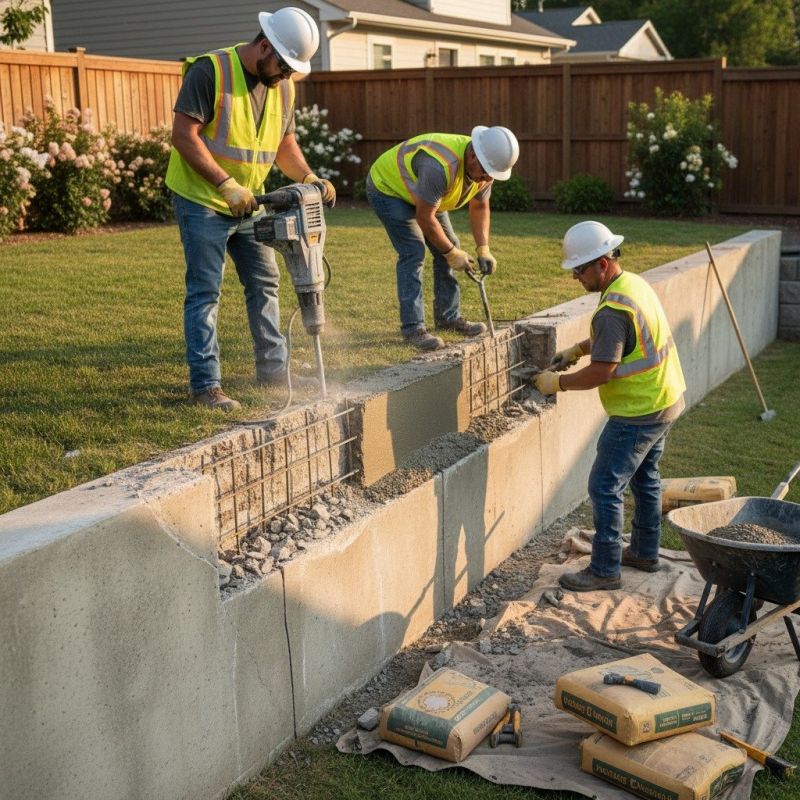
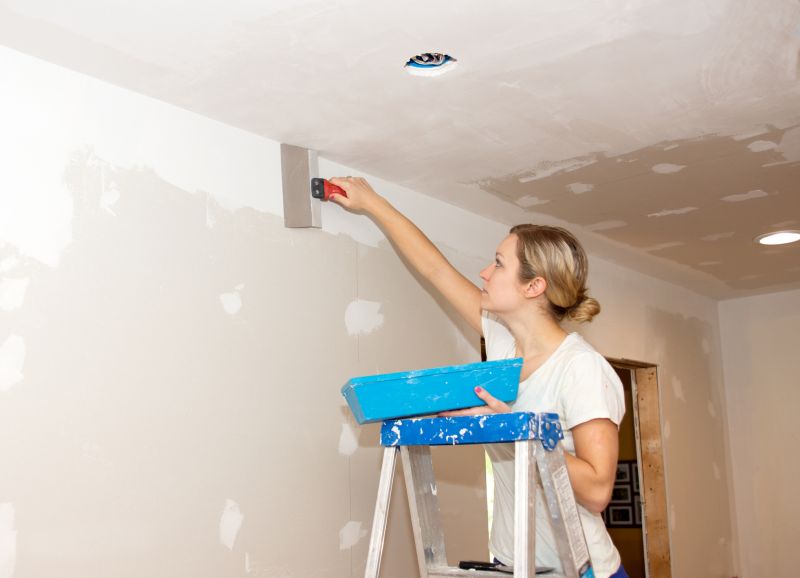
Poured wall installation involves constructing sturdy, reinforced concrete walls that serve as foundational or retaining structures around a property. This process typically begins with preparing the site, including excavation and setting up forms to shape the wall. Once the forms are in place, concrete is poured and carefully finished to create a durable, long-lasting barrier. This method provides a solid and seamless wall that can support soil, prevent erosion, or define property boundaries, making it a popular choice for various landscaping and construction projects.
One of the primary problems poured wall services address is soil erosion and landscape instability. Properties with uneven terrain or sloped yards often face challenges with soil shifting or washing away during heavy rain. Poured walls help contain soil and prevent movement that could damage landscaping or compromise the foundation of a property. Additionally, they can serve as retaining walls to manage elevation changes, creating level outdoor spaces or preventing landslides. These walls also help improve drainage and reduce water-related issues around a property’s foundation.
Poured wall installation is commonly utilized in residential properties, especially for basements, retaining walls, or foundation support. Homeowners with sloped lots or those planning to add a basement or additional level often seek this service. Commercial properties, such as parking lots, storage facilities, or landscaping projects, also frequently use poured walls to create durable barriers or supports. In general, any property that requires a strong, stable wall to manage soil, water, or structural needs might benefit from professional poured wall services.
Homeowners experiencing issues like foundation cracks, shifting soil, or water infiltration often consider poured wall installation as a solution. These walls can help stabilize a foundation, prevent flooding, and improve the overall integrity of a property. They are also useful for creating level outdoor spaces or supporting landscaping features on properties with uneven terrain. When property owners need a reliable, long-term solution to structural or landscape challenges, connecting with local contractors specializing in poured wall installation can provide the expertise needed to address these needs effectively.
The overview below groups typical Poured Wall Installation projects into broad ranges so you can see how smaller, mid-sized, and larger jobs often compare in your area.
In many markets, a large share of routine jobs stays in the lower and middle ranges, while only a smaller percentage of projects moves into the highest bands when the work is more complex or site conditions are harder than average.
Smaller Repairs - Typical costs for minor poured wall repairs, such as crack filling or patching, generally range from $250 to $600. Many projects fall within this middle range, depending on the extent of the damage and accessibility.
Standard Installation - Installing new poured walls for basement foundations or similar projects usually costs between $4,000 and $8,000. Most homeowners find their projects fit within this range, though larger or more complex jobs can go higher.
Full Wall Replacement - Replacing entire poured wall sections or complete basement walls can range from $10,000 to $20,000 or more. Larger, more involved projects tend to reach the upper end of this spectrum, but many projects stay within the middle tiers.
Large or Complex Projects - Extensive or highly customized poured wall installations, such as retaining walls or multi-level structures, can exceed $20,000. These jobs are less common and typically involve specialized requirements that increase costs.
Actual totals will depend on details like access to the work area, the scope of the project, and the materials selected, so use these as general starting points rather than exact figures.
Foundation Wall Construction - local contractors skilled in building foundation walls often use poured wall techniques for stability and durability in various structures.
Basement Wall Waterproofing - waterproofing basement walls requires expertise in wall installation and sealing methods similar to poured wall projects.
Retaining Wall Installation - retaining walls involve planning and precision in wall placement and reinforcement, sharing skills with poured wall installation.
Concrete Wall Construction - constructing concrete walls for various applications involves similar formwork, pouring, and finishing techniques as poured wall services.
Underground Utility Enclosures - building underground utility enclosures requires precise concrete wall work and planning akin to poured wall installation.
Structural Wall Repairs - repairing or replacing structural walls involves understanding load-bearing walls and concrete work comparable to poured wall services.
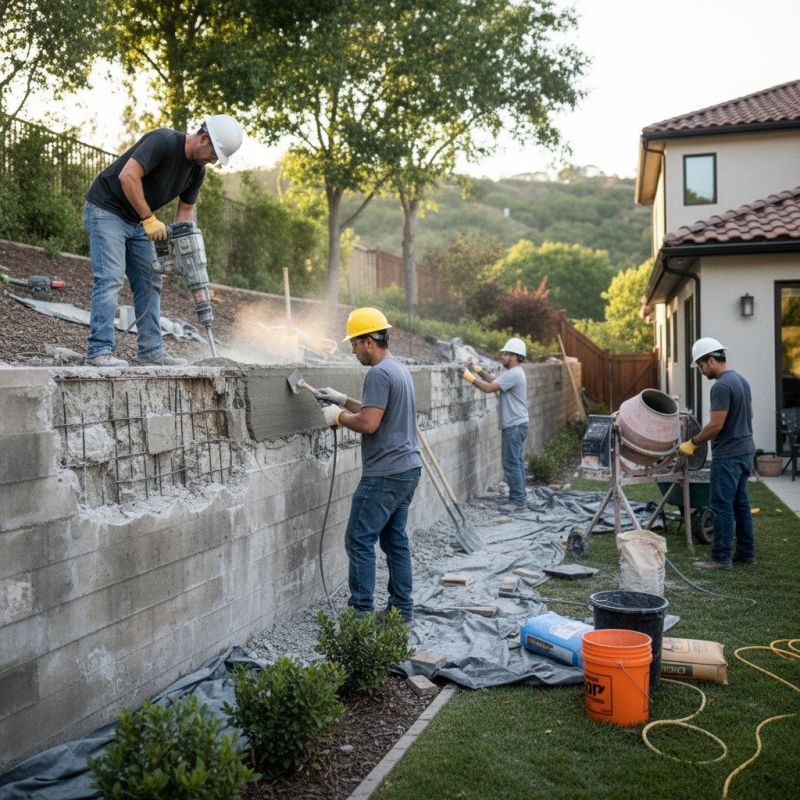
When evaluating potential contractors for poured wall installation, it’s important to consider their experience with similar projects. Homeowners should seek out service providers who have a proven track record of handling poured wall work comparable in scope and complexity to the project at hand. An experienced contractor will be familiar with common challenges and best practices, helping to ensure the job is completed efficiently and effectively. Asking for details about past projects or viewing portfolios can provide insight into their familiarity with poured wall installations and their ability to deliver quality results.
Clear, written expectations are a key component of a successful project. Homeowners should look for service providers who can provide detailed proposals or scope of work outlines that specify the work to be done, materials to be used, and any relevant project milestones. Having these expectations documented helps prevent misunderstandings and ensures everyone is aligned on the project’s goals. Reputable local contractors will be transparent about their process and willing to communicate openly about what the project entails, making it easier to compare options and select the right professional.
Good communication and reputable references are essential when choosing a poured wall installer. Homeowners should seek out service providers who are responsive, willing to answer questions, and provide clear explanations throughout the process. Additionally, requesting references from previous clients can offer valuable insights into the contractor’s reliability, workmanship, and professionalism. While the site introduces homeowners to local options, it’s important to verify that the contractors being considered have a history of positive client experiences and a reputation for dependable service, helping to make an informed decision.
Property owners use Poured Wall Installation services for practical projects around their homes and businesses. This guide focuses on everyday jobs and straightforward project options.
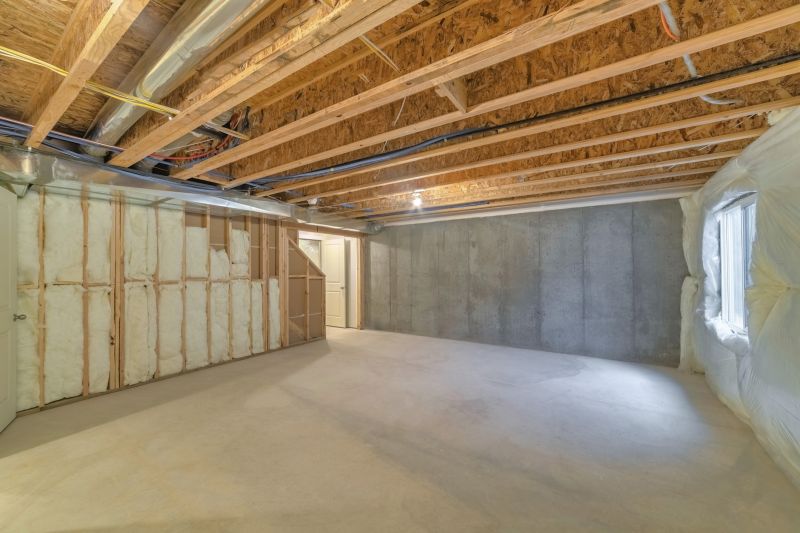
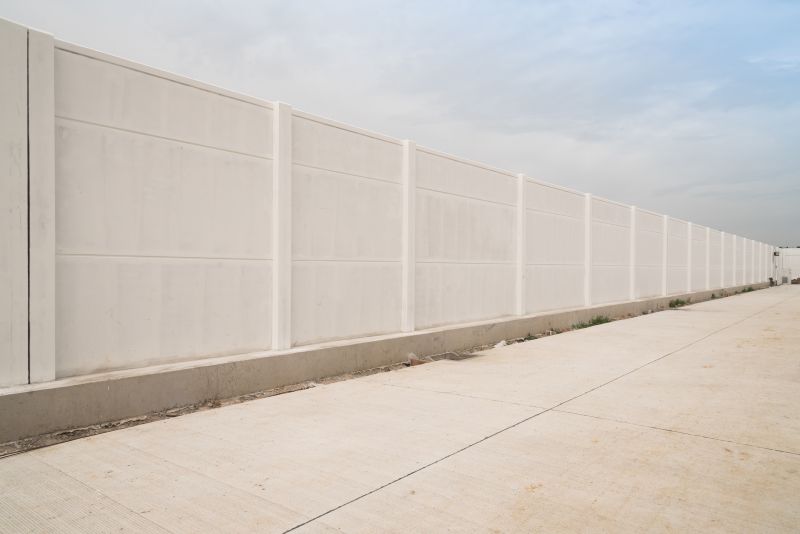
Poured wall installation is often needed for property owners dealing with basement or foundation repairs, especially when dealing with water intrusion or structural concerns. Local contractors can help install durable, reinforced poured walls that provide stability and prevent future issues. Whether it's for a new construction project or reinforcing an existing structure, property owners may seek these services to ensure their property remains safe and secure.
In addition, property owners might look for poured wall services when renovating or finishing a basement space, requiring a solid foundation to support interior improvements. Local service providers can handle the job efficiently, offering expertise in creating sturdy, long-lasting walls that meet the specific needs of each project. These professionals are available to assist with a variety of residential and commercial projects that involve foundation or wall work.
What are poured wall installation services? Poured wall installation involves constructing retaining walls, basement walls, or foundation walls using poured concrete, provided by local contractors experienced in this work.
What types of poured walls do local service providers install? They install various poured walls including basement walls, retaining walls, and foundation walls tailored to the specific needs of a property.
How do local contractors prepare for poured wall installation? Preparation typically includes site assessment, form setup, and ensuring proper concrete mix and reinforcement are in place for a durable result.
What materials are used in poured wall construction? The primary material is concrete, often combined with steel reinforcement (rebar) to enhance strength and stability.
Why should I hire local pros for poured wall installation? Local contractors bring experience with regional soil conditions and building codes, helping ensure the work is suited to the local environment.
Foundation Support - Poured wall installation can help stabilize a foundation that has shifted or settled, providing a more secure base for a property.
Retaining Wall Construction - Property owners can use poured walls to build retaining walls that prevent soil erosion and create level outdoor spaces.
Basement Waterproofing - Installing poured walls can improve basement waterproofing, helping to keep interior spaces dry during heavy rains.
Property Expansion - Poured walls can serve as the foundation for new additions or extensions to existing structures, supporting future building projects.
If you are thinking about Poured Wall Installation for a property, this guide is meant to help you understand the work, the typical project types, and how different options might fit your plans.
When you are ready, you can use the quote form on this page to share a few details about your project. From there, local pros can review the basics and respond with options that match what you have in mind.